



5 Ways to Get Your Dream National Geographic Travel Photo Shot
Every traveler dreams of capturing breathtaking photographs that tell powerful stories and preserve unforgettable memories. The stunning images featured in National Geographic magazines inspire photographers around the world because they go beyond simple snapshots—they capture emotion, culture, nature, and unique moments in time.
You don’t need to be a professional photographer with expensive equipment to create remarkable travel photographs. With the right techniques, preparation, and creative vision, you can dramatically improve your travel photography and capture images worthy of admiration.
Whether you’re exploring tropical beaches, historic cities, mountain landscapes, or cultural landmarks, these five essential tips will help you get closer to capturing your dream National Geographic-style travel photo.
1. Research Your Destination Before You Arrive
Great travel photography often begins long before you take out your camera. Successful photographers spend time researching locations, lighting conditions, weather patterns, and cultural events before they travel.
Before your trip, consider researching:
-
Famous landmarks and viewpoints
-
Sunrise and sunset times
-
Seasonal weather conditions
-
Local festivals and celebrations
-
Popular photography locations
-
Hidden gems recommended by locals
Understanding your destination helps you anticipate opportunities rather than simply reacting to them. For example, knowing where the sun rises behind a famous landmark can help you position yourself for a dramatic shot.
Travel blogs, photography forums, and local tourism websites can provide valuable insights that help you discover unique perspectives often missed by casual tourists.
2. Chase the Golden Hour
Professional photographers frequently rely on the “Golden Hour” to capture stunning images. Golden Hour refers to the period shortly after sunrise and before sunset when sunlight is softer, warmer, and more flattering.
Benefits of Golden Hour photography include:
-
Rich, golden colors
-
Softer shadows
-
Better skin tones in portraits
-
Enhanced landscape details
-
More dramatic skies
Midday sunlight can create harsh shadows and washed-out colors, making photography more challenging. By planning your shoots around sunrise or sunset, you can dramatically improve the quality and mood of your images.
Many iconic travel photographs are captured during these magical hours because the light naturally adds depth and emotion to a scene.
3. Tell a Story Through Your Photos
What makes National Geographic photography so memorable isn’t just technical perfection—it’s storytelling.
Instead of focusing solely on landscapes or landmarks, look for opportunities to capture stories through your images.
Examples include:
-
Local artisans at work
-
Street vendors preparing food
-
Fishermen returning from the sea
-
Children playing in villages
-
Cultural ceremonies and traditions
-
Travelers interacting with local communities
A photograph that tells a story creates an emotional connection with viewers. It allows people to imagine themselves in that place and understand the culture or environment being photographed.
When composing your shot, ask yourself:
“What story am I trying to tell?”
The answer can guide your framing, timing, and subject selection.
4. Focus on Composition and Perspective
Composition is one of the most important factors in creating visually appealing photographs. Even ordinary locations can look extraordinary when photographed creatively.
Several composition techniques can improve your travel photography:
Rule of Thirds
Imagine your frame divided into nine equal sections. Position important elements along these lines or at their intersections to create a more balanced image.
Leading Lines
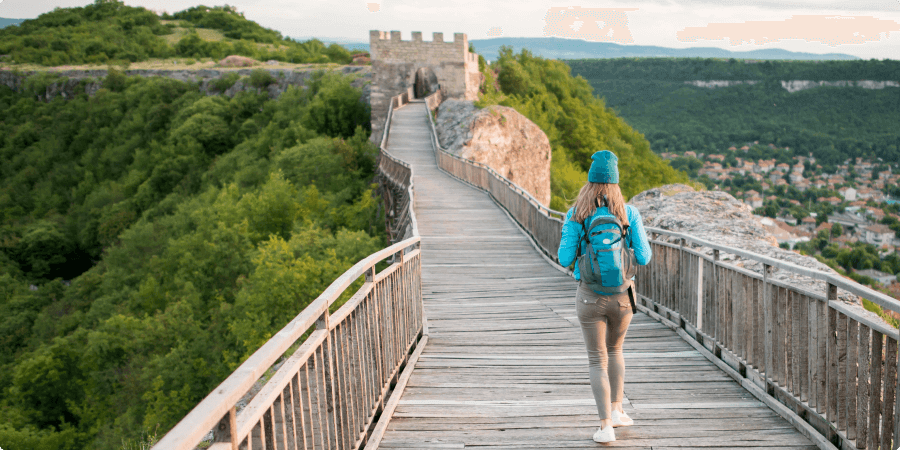
Roads, rivers, bridges, and pathways naturally guide the viewer’s eye through the photograph and create depth.
Foreground Interest
Adding objects in the foreground helps create layers and makes landscape images feel more immersive.
Frame Within a Frame
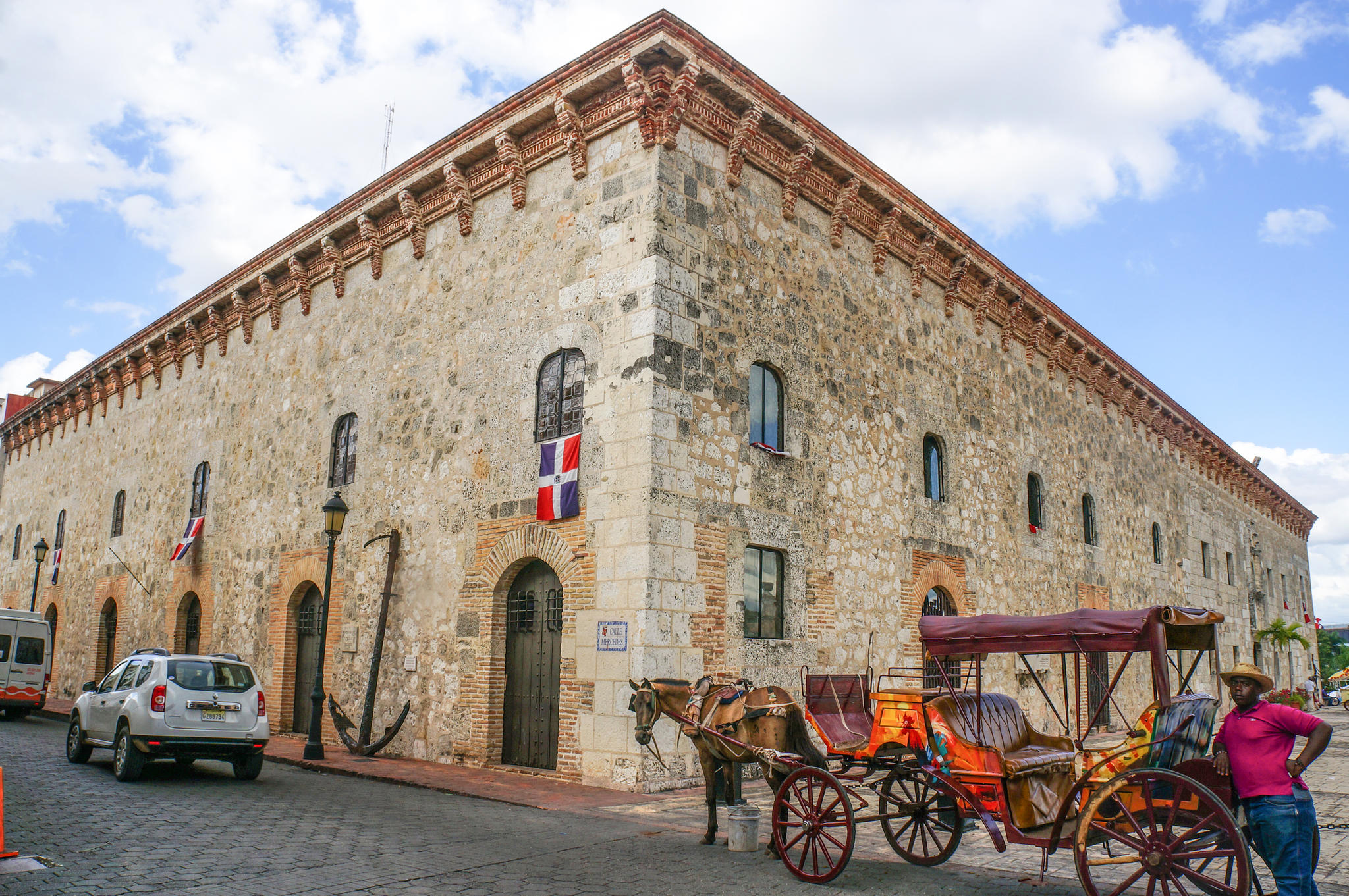
Windows, arches, trees, and doorways can naturally frame your subject and add visual interest.
Change Your Perspective
Instead of shooting everything at eye level:
-
Kneel down
-
Climb higher
-
Shoot from unique angles
-
Experiment with wide-angle views
A fresh perspective often transforms an ordinary image into something remarkable.
5. Be Patient and Wait for the Perfect Moment
Patience is often the secret ingredient behind extraordinary travel photography.
Many photographers arrive at a location, take a few quick photos, and leave. Professional photographers frequently spend hours waiting for ideal conditions.
The perfect moment may involve:
-
Better lighting
-
A dramatic cloud formation
-
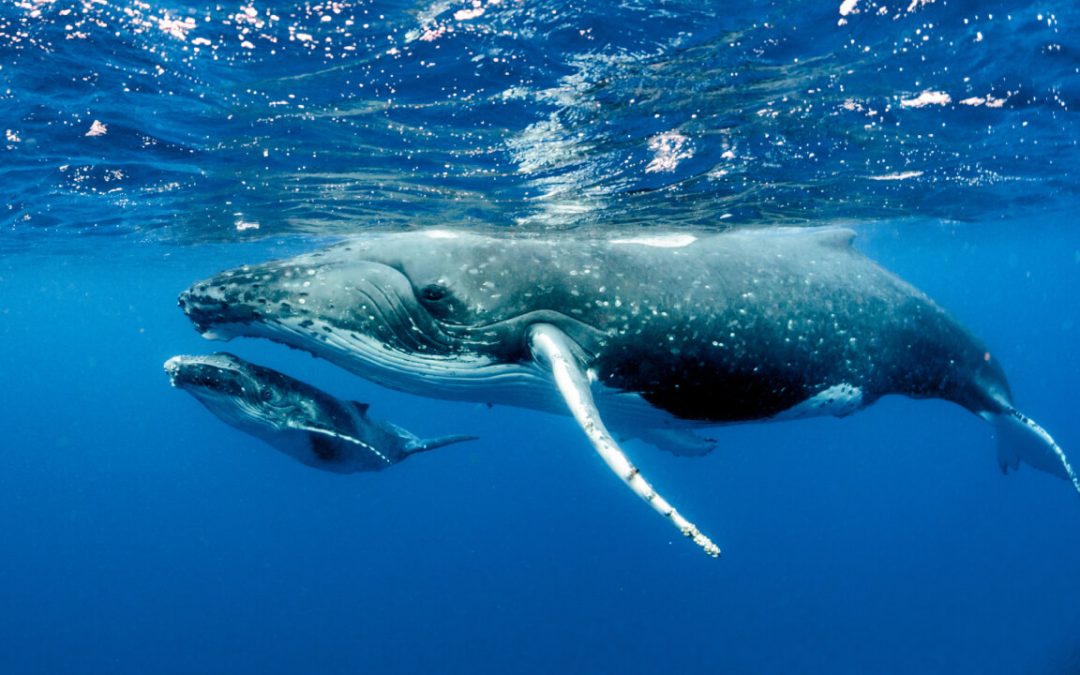
Wildlife entering the scene
-
A person walking into the frame
-
Calm water reflections
-
A unique cultural interaction
Sometimes a photograph becomes extraordinary because of a single unexpected element that appears for only a few seconds.
By slowing down and observing your surroundings, you’ll increase your chances of capturing unique and memorable images.
Bonus Tips for Travel Photography Success
Keep Your Camera Ready
Interesting moments can appear unexpectedly. Whether using a smartphone or professional camera, keep it accessible so you never miss a photo opportunity.
Travel Light
Carrying excessive gear can become exhausting. Bring equipment that suits your photography style without slowing you down.
Respect Local Culture
Always ask permission when photographing people, especially in cultural or religious settings. Respectful interactions often result in more authentic and meaningful portraits.
Edit Carefully
Post-processing can enhance your photos, but avoid excessive editing. Natural colors and realistic details often create the most impactful travel images.
Learn Basic Camera Settings
Understanding exposure, shutter speed, aperture, and ISO can give you greater creative control and help you adapt to changing conditions.
Why Travel Photography Matters
Travel photography is more than collecting images. It allows you to preserve experiences, share stories, and inspire others to explore the world.
Years later, a single photograph can instantly bring back memories, emotions, sounds, and experiences from a journey. The best travel photos don’t just document where you’ve been—they capture how it felt to be there.
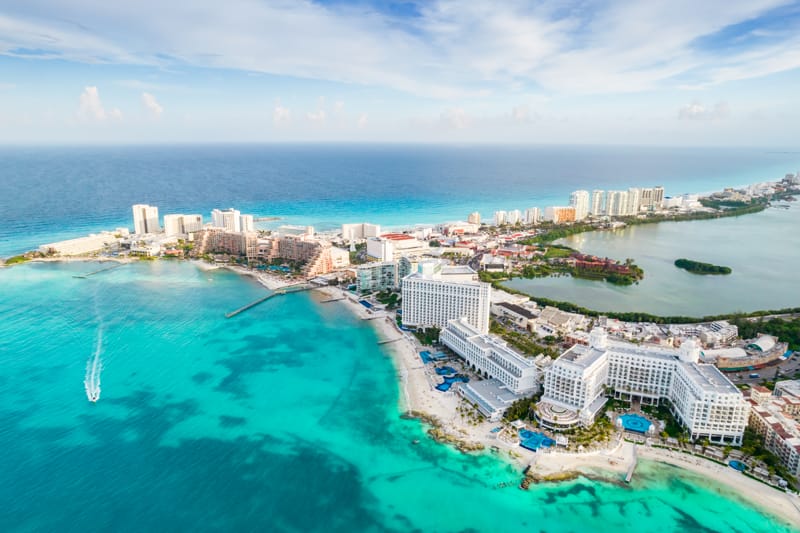
Whether you’re photographing Caribbean beaches, bustling city streets, historic architecture, or natural wonders, every destination offers unique opportunities to create meaningful visual stories.
Conclusion
Capturing a dream National Geographic-style travel photograph isn’t about having the most expensive camera. It’s about preparation, patience, storytelling, and creativity.
By researching destinations, shooting during Golden Hour, focusing on compelling stories, improving your composition, and waiting for the perfect moment, you’ll dramatically improve your travel photography skills.
The next time you travel, slow down, observe carefully, and look beyond the obvious tourist shot. Your most memorable photograph may be waiting just around the corner.
Frequently Asked Questions (FAQs)
1. Do I need a professional camera for great travel photography?
No. Modern smartphones and entry-level cameras can produce excellent travel photos when combined with good composition, lighting, and storytelling techniques.
2. What is the best time of day for travel photography?
The Golden Hour, shortly after sunrise and before sunset, generally provides the most flattering and dramatic natural light.
3. How can I make my travel photos look more professional?
Focus on composition, storytelling, lighting, and unique perspectives rather than simply photographing landmarks from standard tourist viewpoints.
4. Is it okay to photograph local people while traveling?
Yes, but always be respectful and ask permission whenever possible. Respect cultural norms and privacy expectations.
5. What is the biggest mistake beginner travel photographers make?
Many beginners focus only on landmarks and overlook storytelling, patience, and composition, which are often the elements that make photographs truly memorable.